The Return of the CD: How External CD/DVD Drives Can Revitalize Black America
Updated: Jul 27
Rediscovering Independence: The Power of CDs in Black Creativity
In a world obsessed with streams, subscriptions, and algorithms, Black creatives are quietly rediscovering an old weapon of independence: the CD. Not as nostalgia, but as strategy.

External CD/DVD drives—cheap, portable, and largely ignored by Big Tech—are becoming tools of economic sovereignty. They allow Black artists to sell directly to their audiences, keep ownership, generate real profit, and rebuild a self-sustaining ecosystem. This model is reminiscent of the mom-and-pop Black businesses that once anchored our communities. This isn’t about going backward; it’s about closing the loop.
Streaming Was Never Built for Us
Streaming promised access, but what it delivered was dependency. Here’s the reality:
Fractions of pennies per play
Algorithmic invisibility
No customer data
No control over pricing
No physical proof of value
Streaming platforms turned culture into content and creators into laborers on digital plantations. They endlessly feed platforms while rarely owning outcomes. A CD, by contrast, is ownership you can touch:
One sale equals real money
No middleman
No takedowns
No shadow bans
With a $20 external CD/DVD drive, anyone can manufacture culture at home.
The Profit Math Streaming Hopes You Never Do
Here’s the uncomfortable truth about streaming:
Streaming math: ~1 million streams = $3,000–$4,000 (before splits)
No relationship with the listener
No resale or collectible value
That’s a million listens for rent money.
Now, let’s look at CD/DVD math:
Cost to produce: $1–$2 per unit
Sell price: $10–$25
Profit per unit: $8–$23
If you sell 100 CDs at one live event:
Revenue: $1,500–$2,000
Profit: $1,300–$1,800
Time invested: one night
No algorithm. No waiting. No permission. This is why physical media is dangerous to platforms—and powerful for creators.
External Drives = Decentralized Manufacturing
External CD/DVD drives flip the script in three critical ways:
1. Production Returns to the Artist
Music, films, spoken word, sermons, comedy specials, and lectures can all be burned, packaged, and sold directly. No approval is required.
2. No Platform Risk
There are no terms of service, no demonetization, and no retroactive censorship. Once it’s burned, it exists.
3. Instant Margin
This isn’t theoretical. This is how Black creatives survived—and thrived—for decades.
The Old Model Worked—Because It Was Ours
Before streaming, Black creatives thrived in local, relational economies. Here are some examples:
Barbershops sold mixtapes
Churches sold sermons
Comedy clubs sold DVDs in the lobby
Beauty salons moved music hand-to-hand
Independent record stores doubled as community hubs
Money circulated inside the community instead of leaking outward. That ecosystem didn’t die because it failed; it died because it was replaced.

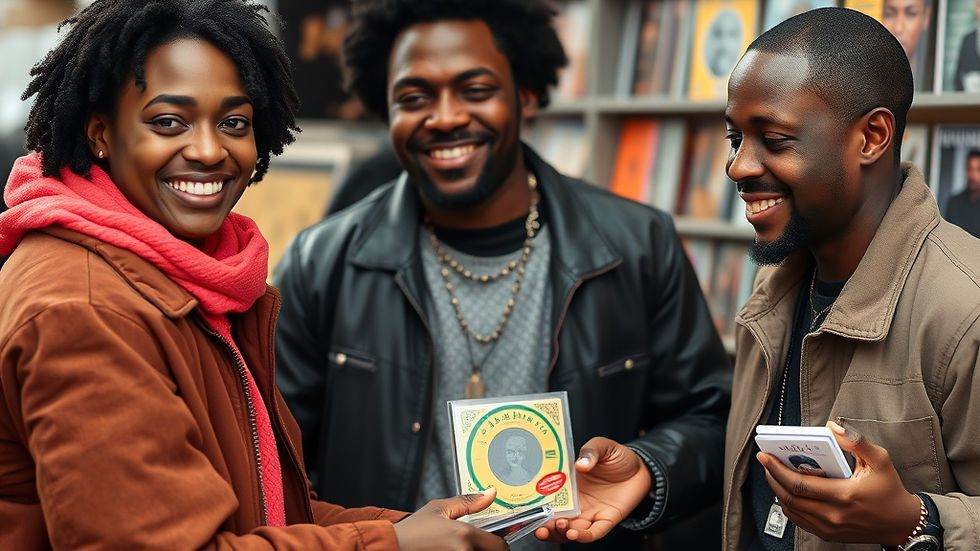
Physical Media Creates Connection—Not Just Content
Streaming is passive, while physical media is relational. When a fan buys directly from a creator, there’s:
Eye contact
Conversation
Gratitude
Emotional investment
That moment does more than a playlist ever could. It turns listeners into supporters, viewers into patrons, and audiences into community.
Rebuilding a Black Creative Market—On Our Terms
This isn’t about competing with Spotify or Netflix. It’s about building a parallel market.
Imagine This:
A filmmaker sells DVDs after screenings
A podcaster drops limited-run CD episodes
A church archives sermons physically
A comedian sells specials directly
A writer releases audiobooks on disc
A school or nonprofit sells local artist compilations
Each CD is:
A product
A receipt
A relationship
No algorithm decides value; the community does.
Streaming’s Proper Role: Marketing, Not the Product
Here’s the shift Black creatives must make immediately: Streaming is the flyer. The CD is the meal.
Streaming should be used to:
Drop a single
Tease a project
Funnel attention
Promote live events
Create curiosity
The full body of work belongs on physical media. Why?
Scarcity creates demand
Ownership creates value
Direct sales create freedom
Giving away the entire project on streaming and hoping volume saves you is a losing game.
Physical Media Builds Ecosystems, Not Just Careers
A CD-based economy creates work for:
Producers
Designers
Printers
Duplication specialists
Event organizers
Pop-up shops
Street teams
Independent retailers
This is how mom-and-pop systems work: many small wins, shared locally.
From “Black Market” to Black-Owned Market
Historically, Black America survived through informal economies:
Cash businesses
Side hustles
Community trade
Direct exchange
Selling CDs and DVDs isn’t illegal; it’s off-platform. And off-platform is where autonomy lives.
The Tools Are Already in Your Hands
You don’t need permission. You don’t need venture capital. You don’t need virality. You need:
A $20 external CD/DVD drive
Blank discs
Artwork
Your work
Your people
That’s it. The same tech dismissed as “obsolete” is now future-proof—because it doesn’t depend on anyone else staying honest.
Final Thought: Control the Medium, Control the Message
Streaming taught us reach, but CDs never died. Physical media teaches us retention and revenue. When Black creatives own production, distribution, and sales, money circulates longer, culture stays intact, and communities become markets—not audiences.

The final shift is on the buyer’s side, and it’s simpler than people think. For roughly $15, a consumer can own an external CD/DVD player that plugs into a laptop, iPad, or TV via USB or HDMI. Suddenly, they’re not dependent on algorithms, subscriptions, or corporate taste-makers. They’re choosing what enters their home.
That small, one-time purchase becomes an act of cultural alignment. It supports Black creators directly, encourages intentional content consumption, and steps outside a system that profits off distortion. With physical media, we can circulate films, music, sermons, comedy, and stories by Black people, for Black people, without the recycled trauma, caricatures, and racist tropes Hollywood insists on force-feeding us. No filters. No permissions. Just ownership, connection, and culture—played on our terms.
The Future of Black Creativity
As we look ahead, the potential for Black creativity is vast. The resurgence of physical media is just one part of a larger movement. We’re reclaiming our narratives and redefining what success looks like.
Building Community Through Collaboration
Collaboration is key. By working together, we can amplify our voices. Imagine a network of artists, filmmakers, and musicians who support each other. This community can share resources, ideas, and audiences. Together, we can create a vibrant ecosystem that thrives on diversity and originality.
Educating Future Generations
We must also focus on education. Teaching the next generation about the importance of ownership and creative independence is crucial. Workshops, mentorship programs, and community events can help instill these values. By empowering young creators, we ensure that our stories continue to be told authentically.
Embracing Technology
While we celebrate physical media, we shouldn’t ignore the role of technology. Digital platforms can still be part of our strategy. They can serve as a marketing tool, helping us reach wider audiences. But we must remain vigilant and ensure that we control our content and distribution.
Conclusion: A New Era of Black Creativity
In conclusion, the revival of CDs and physical media represents a new era for Black creativity. It’s about more than just selling music or films; it’s about reclaiming our power. By embracing this model, we can build a sustainable future for independent Black cinema and diverse storytelling. Let’s continue to support each other and create a world where our voices are heard and celebrated.
This is our time to shine. Let’s take control of our narratives, our art, and our communities. Together, we can create something beautiful.


Comments